Know your needs
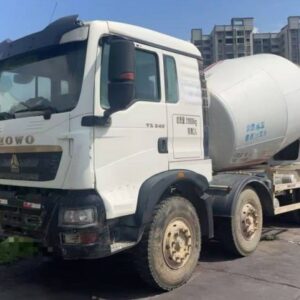
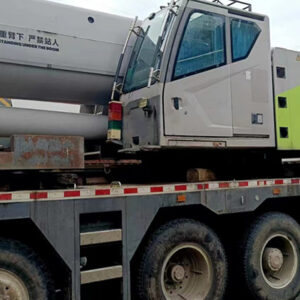
Before buying used construction equipment, it is crucial to establish clear needs. First, you need to deeply analyze your main work type, which will directly affect your choice of equipment. For example, if your project mainly involves earthmoving, you may be more inclined to choose an excavator or a bulldozer. On the contrary, if your work content is directly related to material handling, then a forklift or a crane may be more in line with your needs.
Budget constraints are also a factor that cannot be ignored. When deciding the budget, consider not only the purchase price of the equipment, but also the subsequent maintenance costs, insurance costs, and potential financing or leasing costs. Make sure you have reasonable expectations for the overall budget, which will help you avoid excessive financial risks when choosing the right used construction equipment. At the same time, comparing the quotes and equipment conditions of different suppliers is also an important step to ensure that you get a good investment.
In addition, it is also key to clarify the specific requirements for equipment performance. Used equipment of different brands and models may differ in performance. You need to evaluate the specifications of each equipment, such as operating capacity, applicable environment, fuel efficiency, etc. These factors have a direct impact on the selection of equipment and subsequent construction efficiency. Through a detailed needs assessment, it will be easier for you to narrow down the range of choices and find equipment that suits your specific work needs. By deeply understanding your needs, you can not only improve your work efficiency, but also ensure that the used engineering equipment you choose meets industry standards and operating requirements.
Research the market situation
Before choosing the used engineering equipment that suits you, it is crucial to conduct a comprehensive market research. This process helps to understand the performance of different brands and models of equipment in terms of price, performance and reliability, so as to make an informed decision. First, you can collect information by visiting professional websites, industry reports and related forums. These channels often provide detailed performance analysis and user reviews, which are very helpful for evaluating the value of the equipment.
In addition, the market situation for purchasing used engineering equipment varies from region to region and channel to channel. Therefore, it is also necessary to understand the price trends and market demand in different regions. For example, some brands may have a higher cost-effectiveness in certain regions due to supply and demand. At the same time, the price difference between different purchasing channels is also an important factor that cannot be ignored in purchasing decisions. Online platforms usually provide a wide range of used equipment options, and buyers can easily compare prices by browsing multiple listings, while auctions may provide high-quality equipment for sale at a lower price, especially for buyers who are in urgent need of equipment. This method may bring unexpected gains.
After data collection, it is recommended to compare the quotes from different sellers one by one, especially to equip yourself with the history and usage of these equipment. Ask the seller about the maintenance record, frequency of use and current condition of the equipment. This information will help you evaluate whether the equipment is worth investing in. Pay attention to whether a warranty or return policy is provided, which can also add a layer of protection to your purchase. In summary, sufficient market research can not only help you choose the most suitable second-hand engineering equipment, but also reduce the risks you may encounter after purchase.
Check the condition of the equipment
When choosing the second-hand engineering equipment that suits you, the actual condition of the equipment is a crucial consideration. Before purchasing, a comprehensive equipment inspection is essential to ensure that the equipment you invest in can meet future usage needs.
First, the appearance inspection is an intuitive starting point. Check the overall appearance of the equipment, including whether the casing, components and seams have obvious wear, cracks or rust. Even coating and clear markings also reflect the maintenance status of the equipment. The condition of the equipment’s exterior can often reveal its frequency of use and maintenance history.
Secondly, running tests are an important step to confirm the performance of the equipment. When feasible, run the equipment to observe whether its various functions are normal. Pay attention to any unusual sounds or vibrations, which may be a sign of mechanical failure. At the same time, check the smoothness of the equipment’s operation, such as whether the engine starts smoothly and whether the various operating functions are responsive.
In addition, it is also essential to carefully review the equipment’s maintenance records. Ask the seller to provide a detailed maintenance and servicing history, including records of replaced parts and documentation of routine inspections. This can help you determine whether the equipment has been properly maintained in the past and avoid purchasing potential hidden dangers.
Finally, it is also crucial to understand the equipment’s maintenance history. Ask if there have been major repairs or accident records in the past, which will help assess the equipment’s reliability and long-term use risks. Through effective inspections, not only can potential problems in the future be avoided, but also there will be sufficient basis when negotiating prices with the seller, so as to make wise decisions.
Maintenance and maintenance strategy
After purchasing used engineering equipment, the key to ensuring its long-term and efficient operation is to implement appropriate maintenance and maintenance strategies. Regular maintenance can not only improve the performance of the equipment, but also effectively reduce the risk of sudden failures. Engineering equipment usually requires regular inspection and maintenance to ensure that each component is kept in good working condition. This includes basic procedures such as lubrication, tightening bolts, checking electrical systems, filter cleaning and fluid replacement.
Basic maintenance techniques include daily and weekly routine inspections. Daily inspections should focus on the appearance, noise and working performance of the equipment, ensuring that there are no oil leaks and other obvious problems. Weekly maintenance involves more comprehensive inspections, such as monitoring the oil level and evaluating safety devices. As the use time increases, some parts may suffer from wear, so it is crucial to replace these parts regularly.
In addition, choosing the right maintenance strategy can also help save costs. Preventive maintenance, that is, necessary inspections and maintenance before failure occurs, can avoid high repair costs. It is also a wise practice to record the use and maintenance records of the equipment every time, so that the maintenance history of the equipment can be accurately tracked to help determine when to perform more in-depth inspections.
If you want to extend the service life of second-hand engineering equipment, operator training should not be ignored. Participating in appropriate skills training can enable operators to understand the functions of the equipment and how to handle failures, so as to perform maintenance more effectively. Maintaining good work habits and paying great attention to equipment can ensure that the equipment is always in good condition and performs at its best during work.